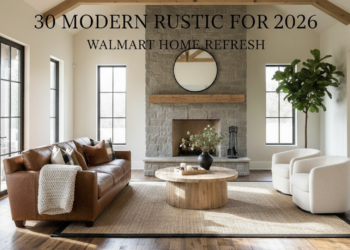
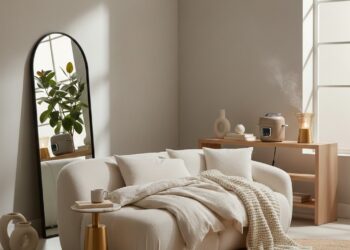
Home decor can feel overwhelming. Maybe you’ve saved a hundred pins, binge-watched design shows, and still don’t know where to start. The truth is, decorating doesn’t have to mean endless shopping or a full remodel. With a few guiding principles—your home’s “tone of voice,” a simple color palette, and design hacks you can repeat in any room—you can create spaces that feel pulled together and personal. This starter guide walks you through the basics so you can stop scrolling and start styling.
Step 1: Decide on Your Home’s “Tone of Voice”
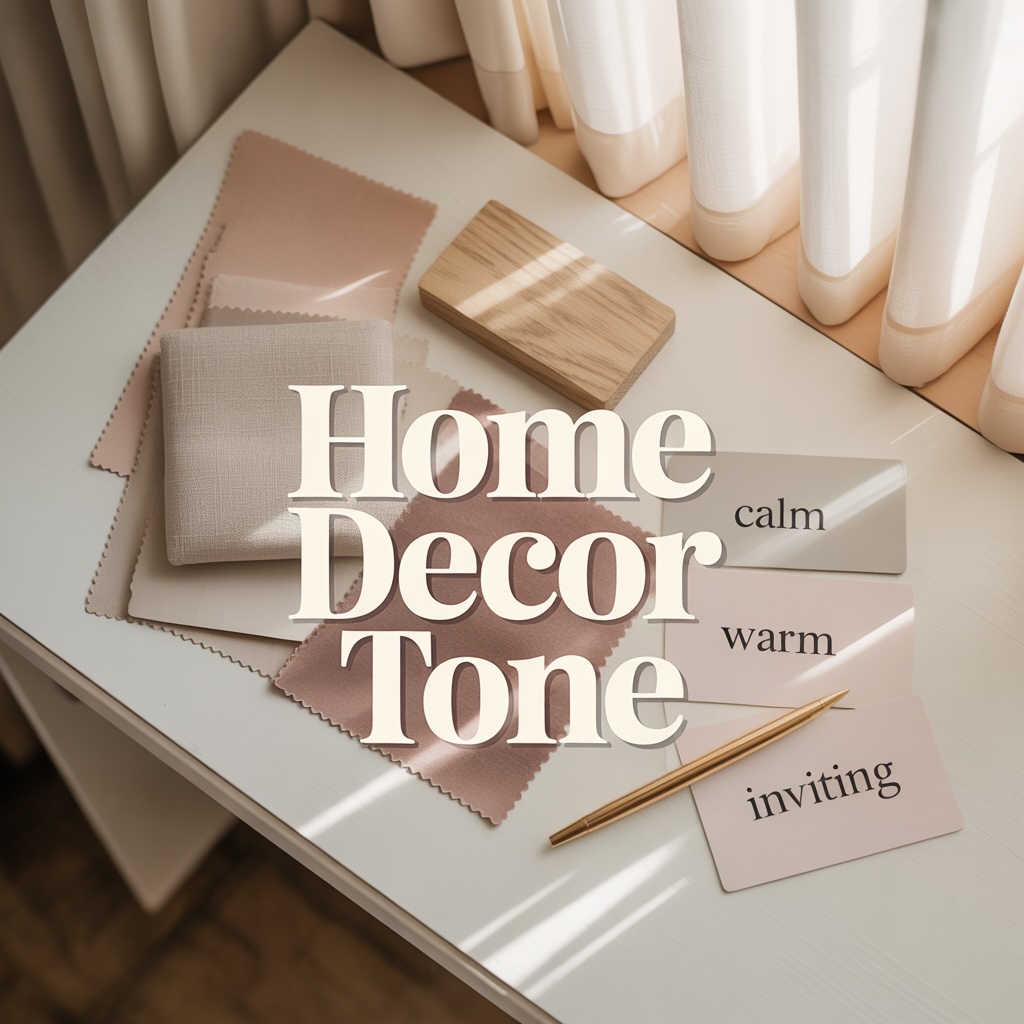
Think of your home like a person—it has a personality. Choosing that personality first keeps you from buying things that clash or feel random.
- Warm & Cozy: Soft lighting, layered textiles, warm woods, candles, and inviting seating.
- Airy & Minimal: Clean lines, bright whites, uncluttered surfaces, and neutral furniture.
- Playful & Bold: Pops of color, graphic prints, quirky art, and statement furniture.
- Refined & Classic: Muted color palettes, symmetry, timeless shapes, and elegant finishes.
💡 Design Hack: Write down three adjectives that describe how you want people to feel in your space (ex: calm, stylish, comfortable). Use these three words as a filter when shopping.
Step 2: Build a Foolproof Color Palette
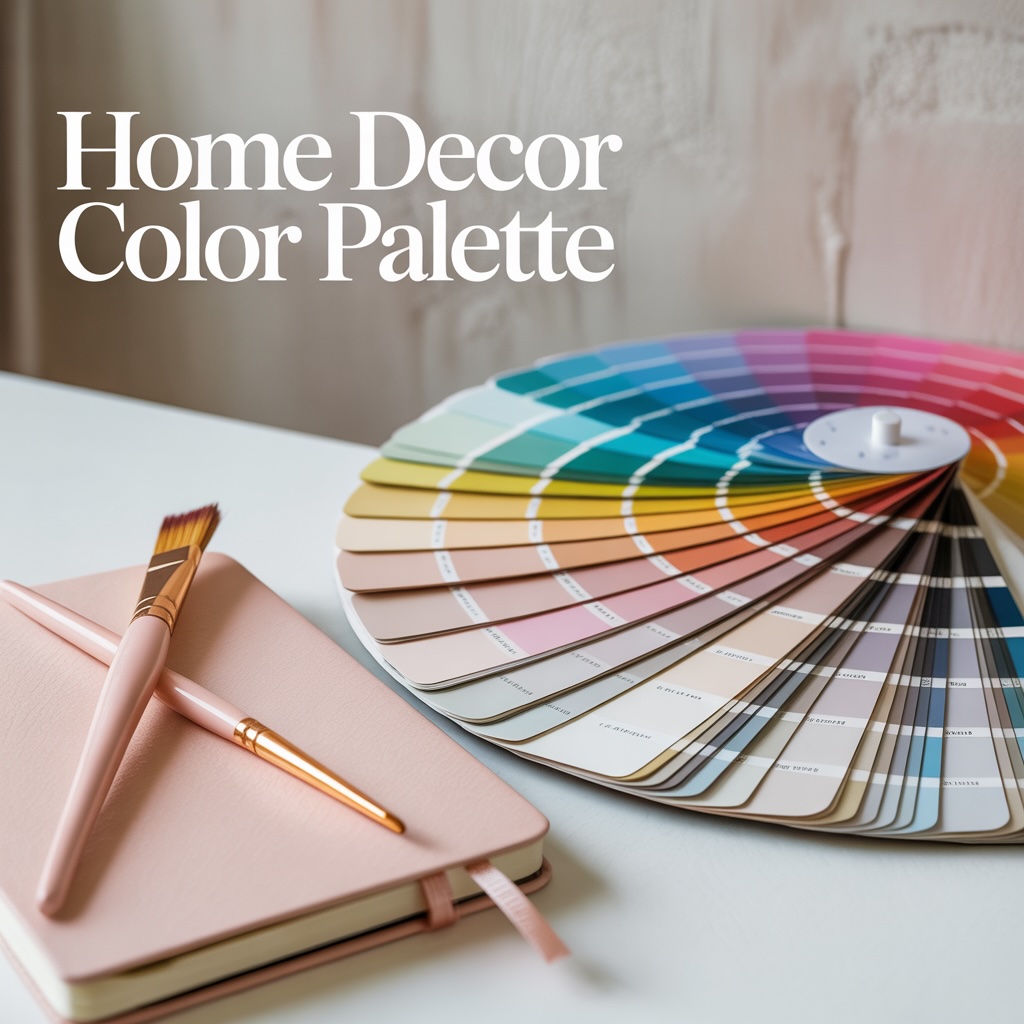
Color can overwhelm fast, but the 60-30-10 rule keeps it simple:
- 60% base color (walls, big furniture, rugs)
- 30% secondary color (textiles, accent chairs, curtains)
- 10% accent color (pillows, art, decor)
Neutral bases that never fail: warm greige, crisp white, deep navy, soft charcoal.
Accent families to consider: earthy greens, muted blush, terracotta, mustard yellow, or black for contrast.
💡 Design Hack: Choose one “anchor color” from your closet. If you love wearing olive green or navy, chances are you’ll love living with it, too.
Step 3: Apply Design Hacks That Always Work
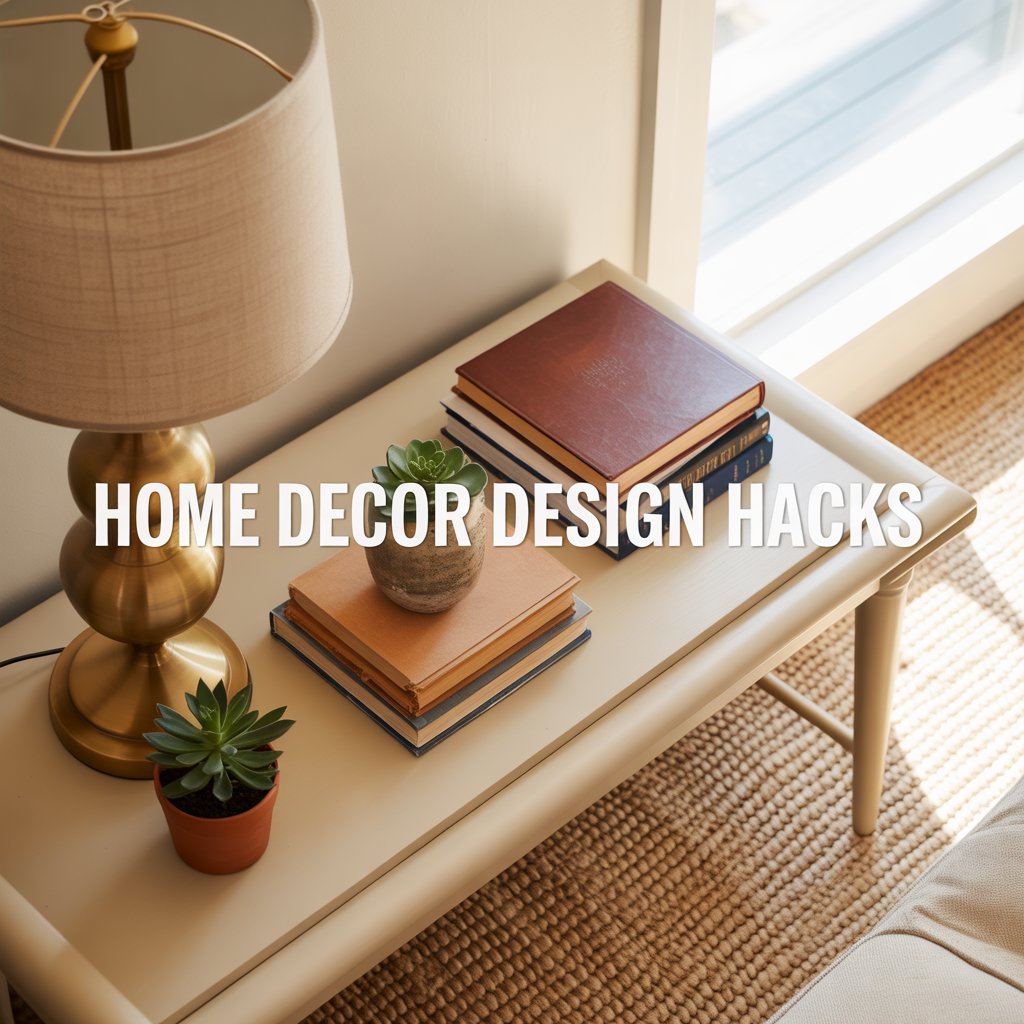
You don’t need a design degree—just repeatable tricks:
- Rule of Thirds: Decor in groups of three, at varying heights. Example: lamp, stack of books, and plant on a console table.
- Odd Numbers Rule: Three or five pillows beat four every time.
- Mirror Magic: Mirrors bounce light and make small rooms feel bigger.
- Layer Rugs: Jute base with a patterned top rug feels intentional and layered.
- High + Low Mix: Splurge on sofas and beds, save on accents (Amazon, Target, thrifted finds).
💡 Design Hack: Take a photo of your room. Flaws you miss in person jump out in pictures.
Step 4: Fix the Lighting First

Lighting changes everything—don’t skip it.
- Layered lighting: Every room should have overhead (function), task (lamps), and accent (candles, sconces).
- Warm bulbs only: Aim for 2700–3000K. Say no to harsh, blue-toned light.
- Dimmers = instant luxury: A $15 dimmer switch upgrade feels like a $500 renovation.
💡 Design Hack: Add one new light source to a room before you buy more decor. It sets the mood and makes everything else look better.
Step 5: Add the Personal Layer
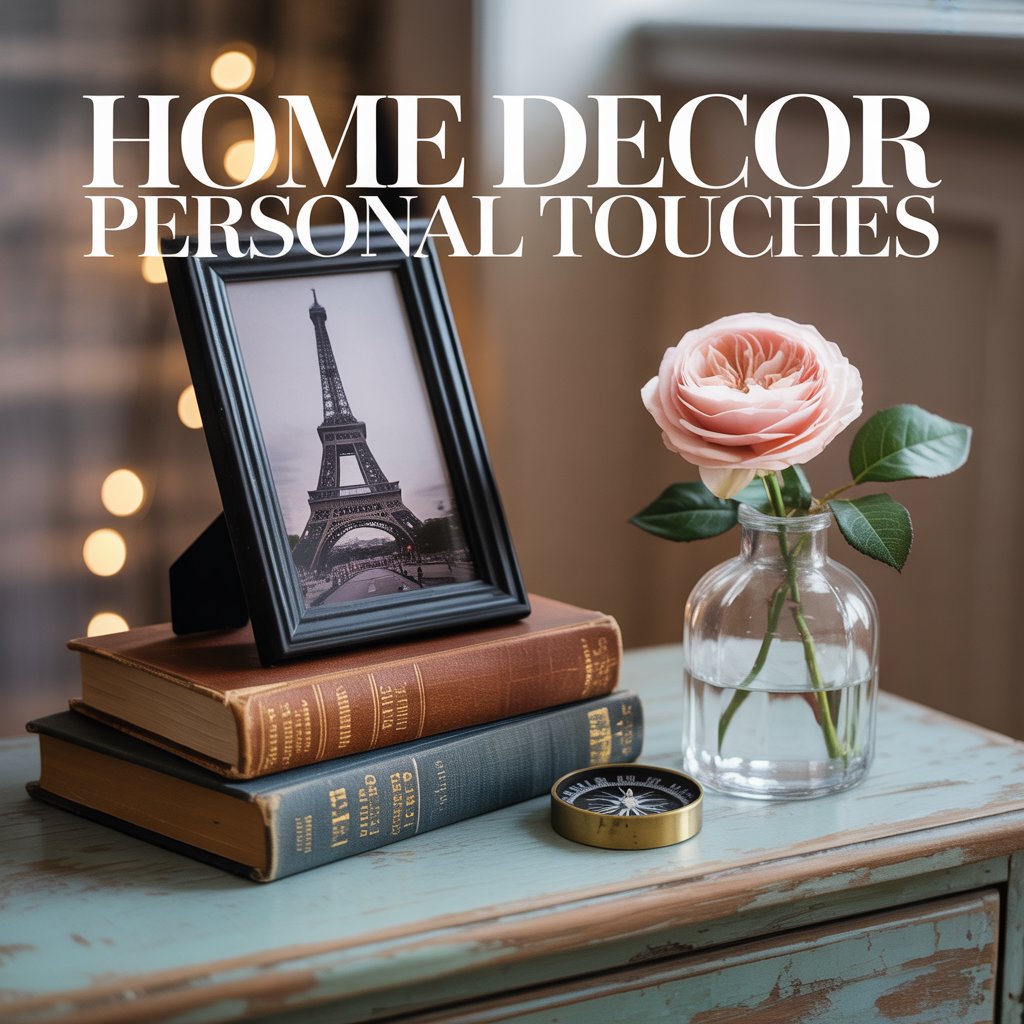
Without personal touches, a room looks staged. The final layer is where it becomes yours.
- Frame travel photos in matching black or white frames.
- Stack your favorite books on a coffee table.
- Display a bowl of souvenirs or heirlooms on a shelf.
💡 Design Hack: Style personal items on a tray. It turns “clutter” into an intentional vignette.
Quick Wins Checklist
Save this list and do one a week:
- Write down your 3 home style adjectives
- Build a 60-30-10 color palette
- Add one new light source
- Restyle a surface with the Rule of Thirds
- Group personal items on a tray
FAQs About Getting Started With Home Decor
Q: How many colors should I use in one room?
A: Stick to 3 main colors plus one metallic or natural texture. It’s enough variety without overwhelm.
Q: What’s the fastest way to make a home feel cohesive?
A: Repeat the same 2–3 colors in every room and use one wood tone throughout.
Q: Where should I start if I only have $100?
A: Lighting, pillows, and greenery. Small cost, big impact.
Decorating doesn’t start with a credit card—it starts with clarity. Once you know your home’s tone, your palette, and a few easy hacks, the overwhelm fades. You’ll know which pieces to say “yes” to, which to skip, and how to pull any room together on your own terms.
The content on this website was created with the help of AI.