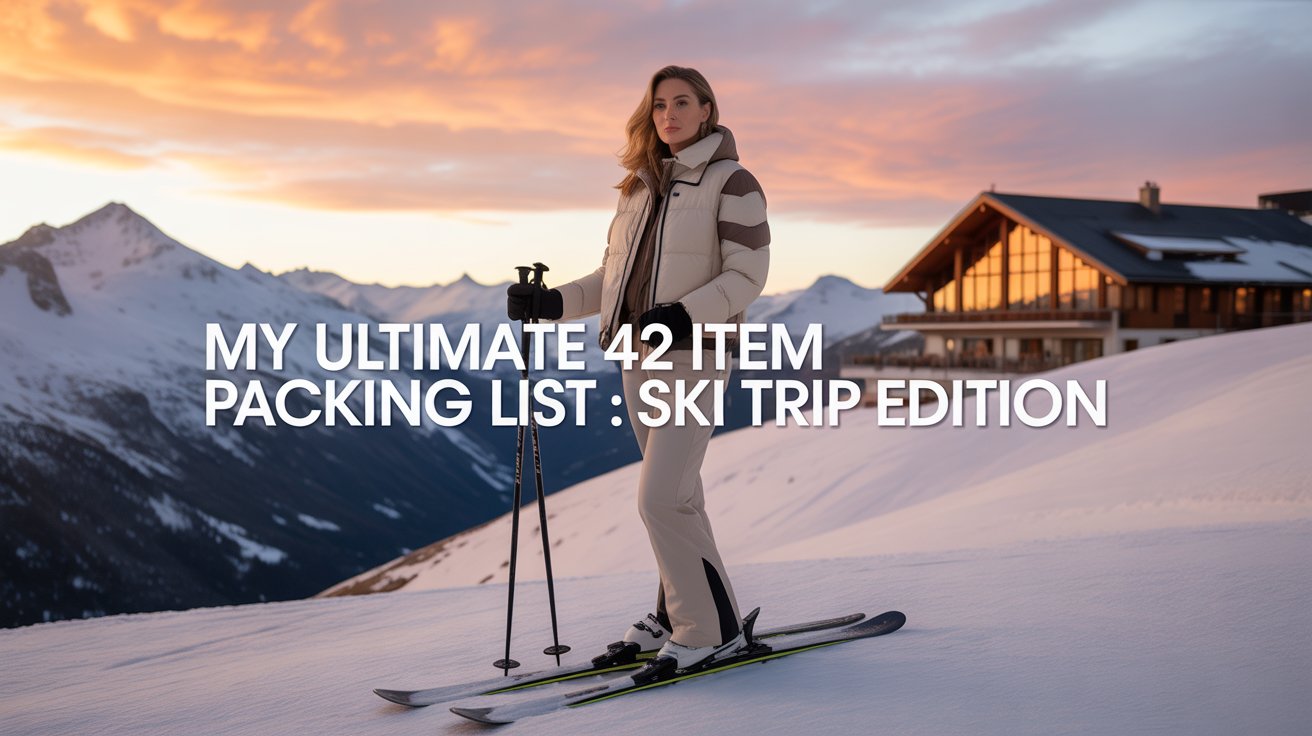
My Ultimate 42 Item Packing List : Ski Trip Edition
This website contains affiliate links. As an Amazon Associate, I earn from qualifying purchases at no additional cost to you.
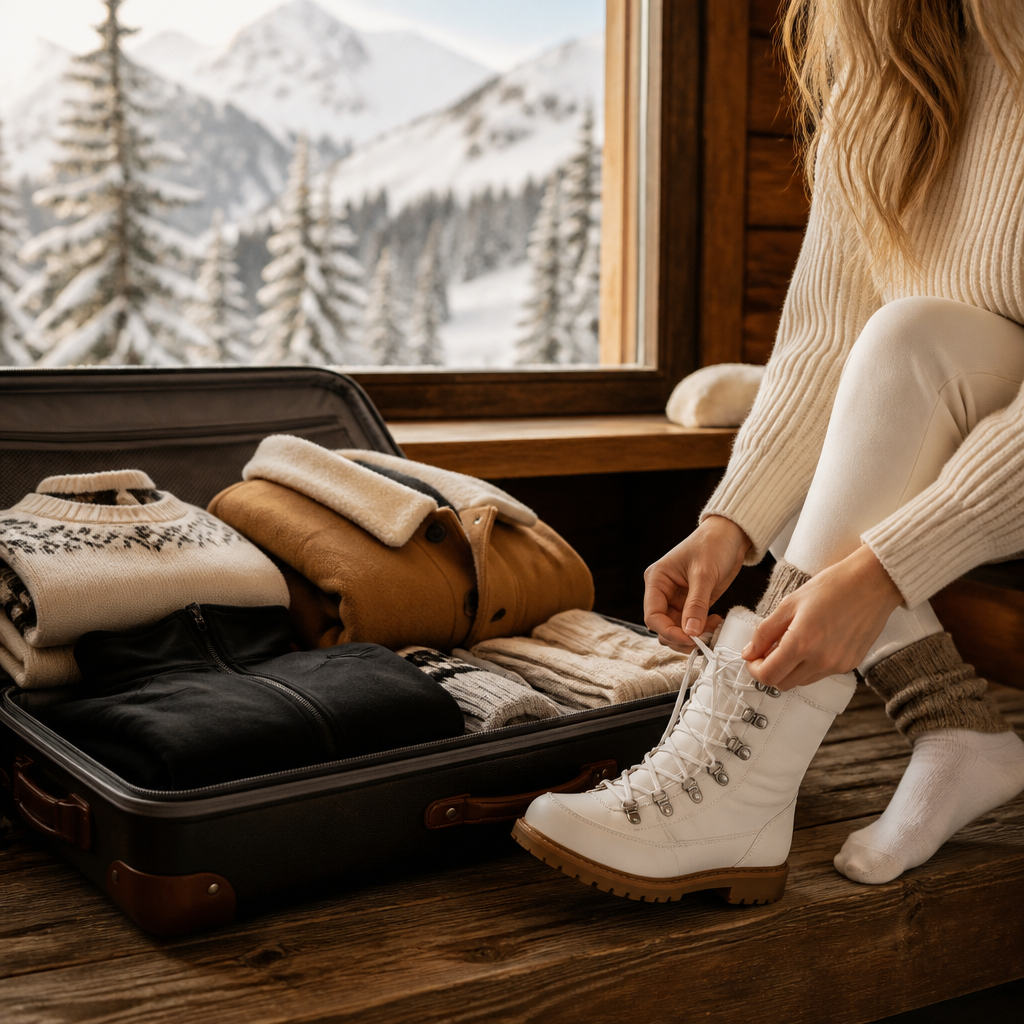
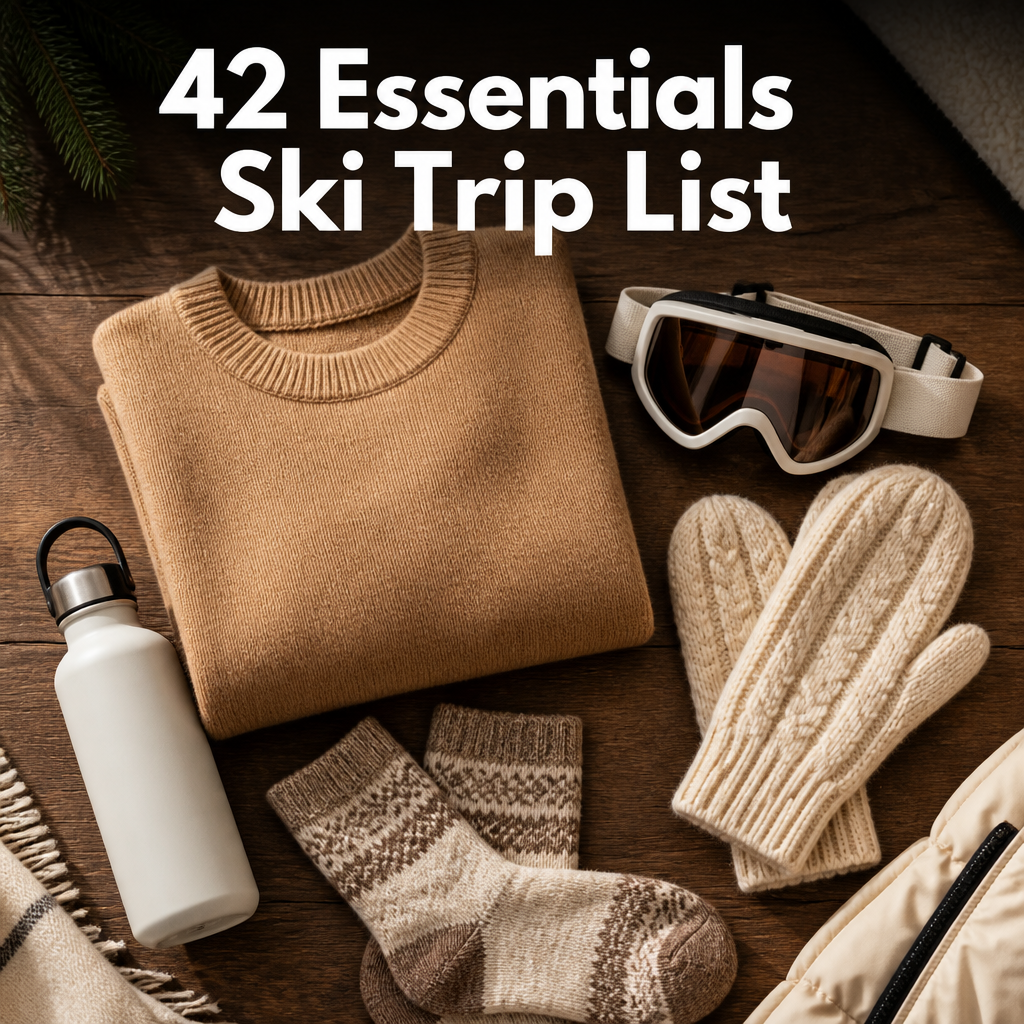
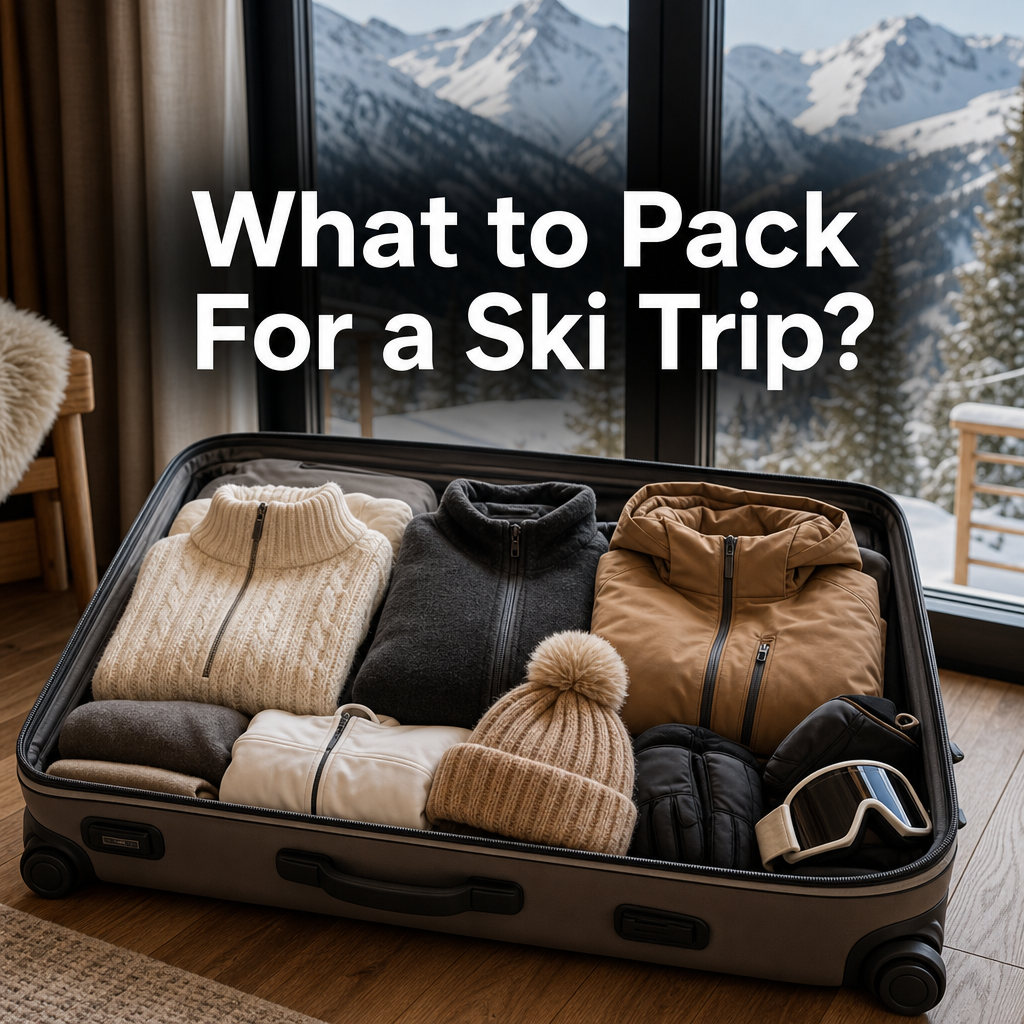
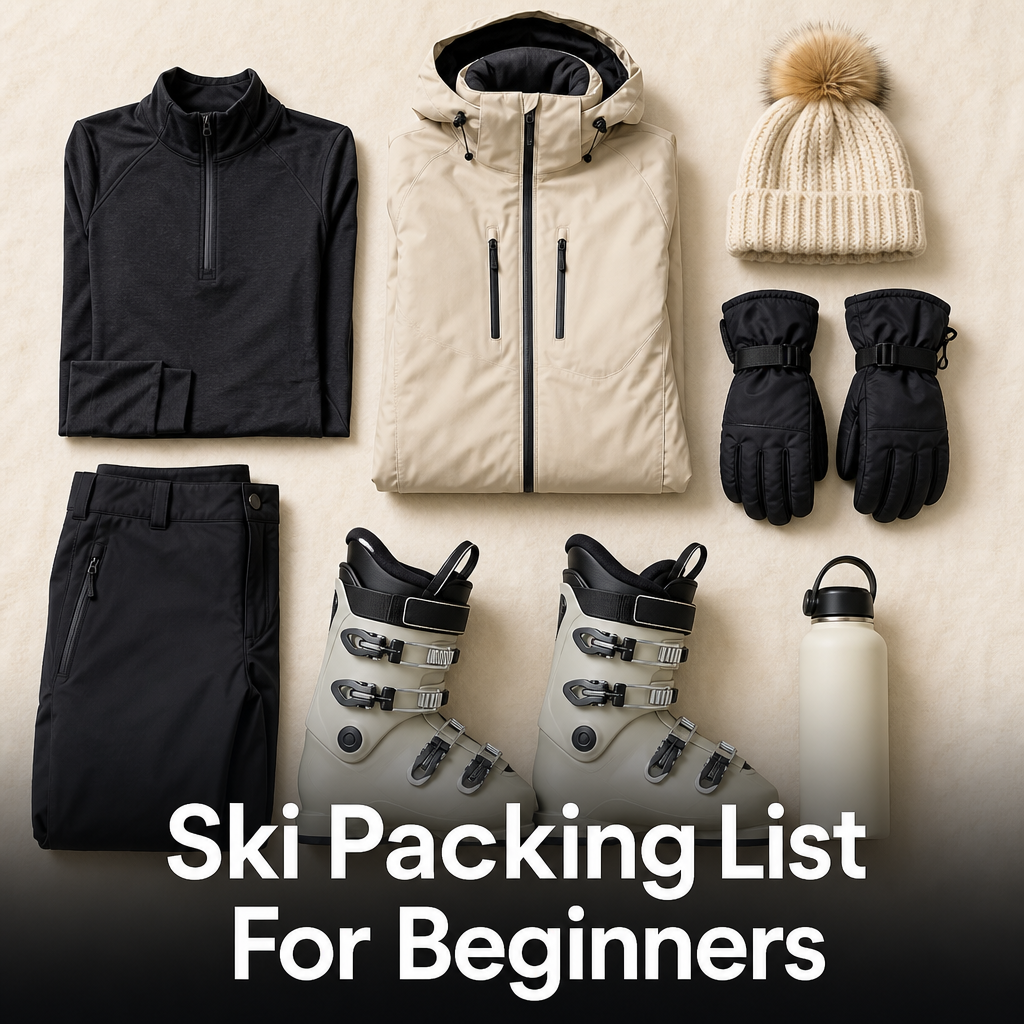
I moved to Crested Butte for a boy back in 2003 and never left, which means I’ve packed for more ski trips than I can count — as a visitor at first, then as someone who actually lives at 9,000 feet and has to get this right every single winter. I’ve shown up in cotton base layers and spent an entire day shivering on the lift. I’ve packed one pair of gloves and lost a glove liner on day one. I’ve also learned, the hard way, exactly what earns a spot in the bag and what just adds weight. This list is 42 pieces I actually reach for — on the mountain, at the lodge, and at whatever dinner comes after — in soft neutrals that mix and match so you’re not packing a separate outfit for every day of the trip.
1. Merino Wool Base Layer Top
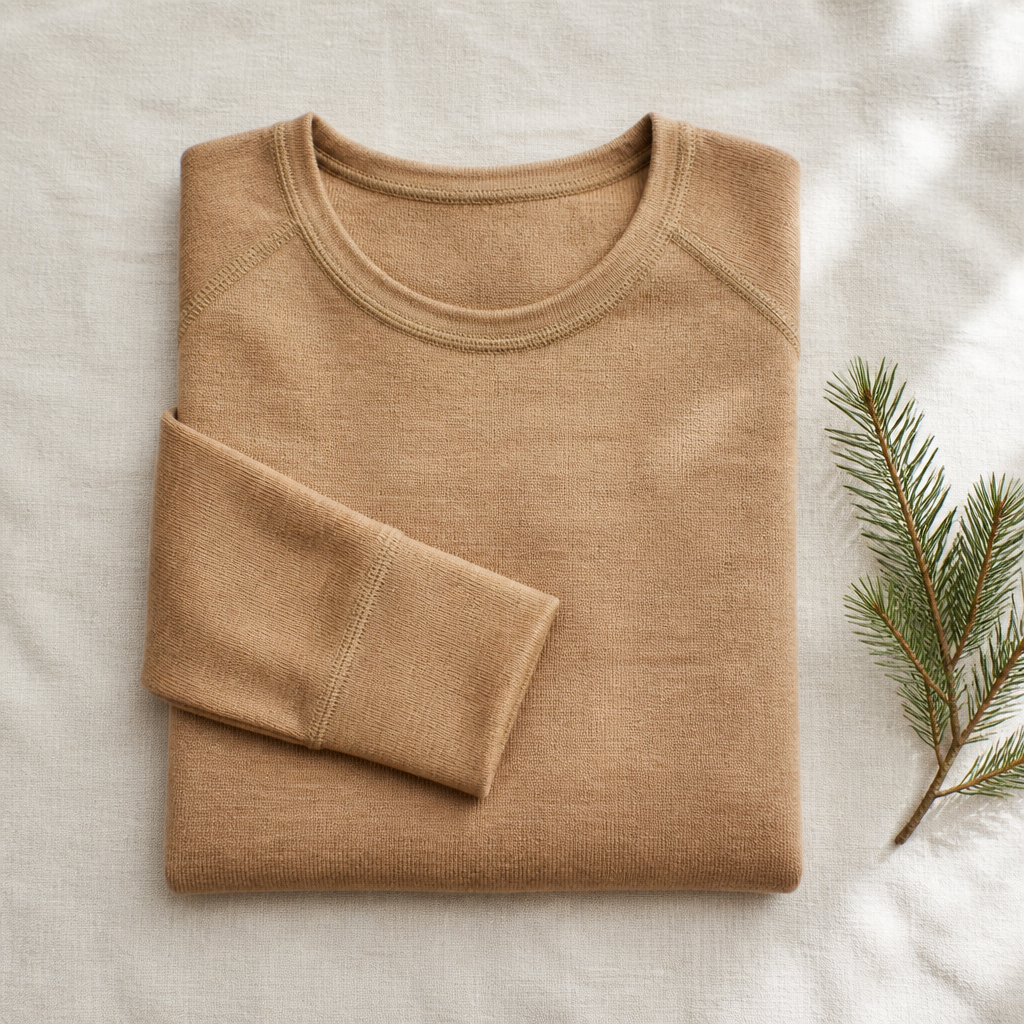
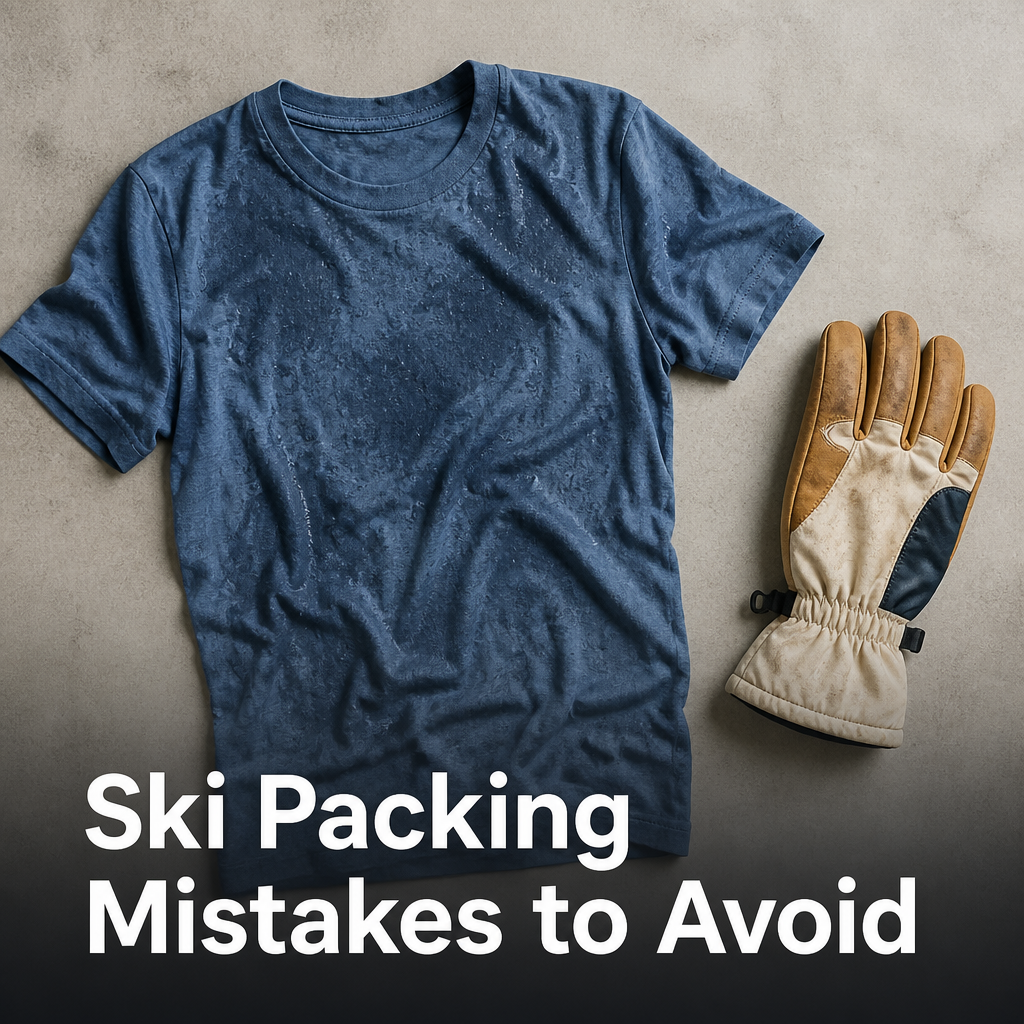
This is the piece I reach for first, every single trip. A good merino base layer doesn’t itch and doesn’t hold onto sweat smell after three days of wearing the same one — which matters when you’re only packing two. I learned the hard way that a cotton tee under a ski jacket is miserable by lunchtime; merino is the fix.
- Merino wool base layer top women
- Breathable merino thermal top
- Slim fit merino long sleeve
- Odor resistant base layer shirt
Do: Buy it slightly fitted so it layers flat under a fleece.
Don’t: Grab a cotton blend to save money — you’ll regret it on the lift.
Do: Pack two so one can dry overnight.
Don’t: Expect it to smell fresh after four straight days. Even merino has limits.
2. Merino Wool Base Layer Bottoms
The bottoms matter just as much as the top, and I skip these at my own risk. They go on under ski pants and stay on all day, so anything that bunches or rides up is going to bother you on every single run. High-waisted merino leggings are the one style I’ve never regretted.
- Merino wool base layer leggings women
- High waist merino bottoms
- Breathable merino long johns
- Moisture wicking base pants
Do: Size up if you’re between sizes — snug is fine, tight is not.
Don’t: Reach for cotton long johns. They get cold and stay cold once you sweat.
Do: Tuck them into your socks so there’s no gap at the ankle.
Don’t: Wear them alone as pants at the lodge — pack a second bottom layer too.
3. Synthetic Fleece Mid Layer
My mid layer is the piece I’m constantly adjusting throughout the day, so it needs to actually breathe. A grid fleece hoodie does double duty — warm enough for a chairlift, light enough that I’m not sweating through it on the walk back to the car.
- Synthetic fleece mid layer women
- Grid fleece hoodie ski
- Quarter zip fleece layer
- Lightweight insulating fleece
Do: Zip it halfway open on a bluebird day instead of taking it off entirely.
Don’t: Bring your heaviest fleece — you’ll want a lighter one for warmer afternoons.
Do: Pick a color that works with your jacket, since it’ll show at the neck.
Don’t: Cram your pockets full — a stuffed fleece stops insulating properly.
4. Puffer Vest Mid Layer
A puffer vest sounds unnecessary until you’ve worn one. It keeps your core warm without turning your arms into stiff, restricted noodles under a jacket, and it’s the piece I grab for anything between the car and the lodge.
- Puffer vest women ski
- Lightweight down vest midlayer
- Packable puffer vest
- Insulated vest fleece compatible
Do: Wear it over your fleece on the coldest days for real core warmth.
Don’t: Skip it if you’re skiing anywhere with wind exposure — your arms staying warm doesn’t matter if your torso is freezing.
Do: Look for one that packs down small, since it’s easy to overpack vests.
Don’t: Buy it oversized. A slim fit is what lets it actually layer under a coat.
5. Waterproof Ski Jacket
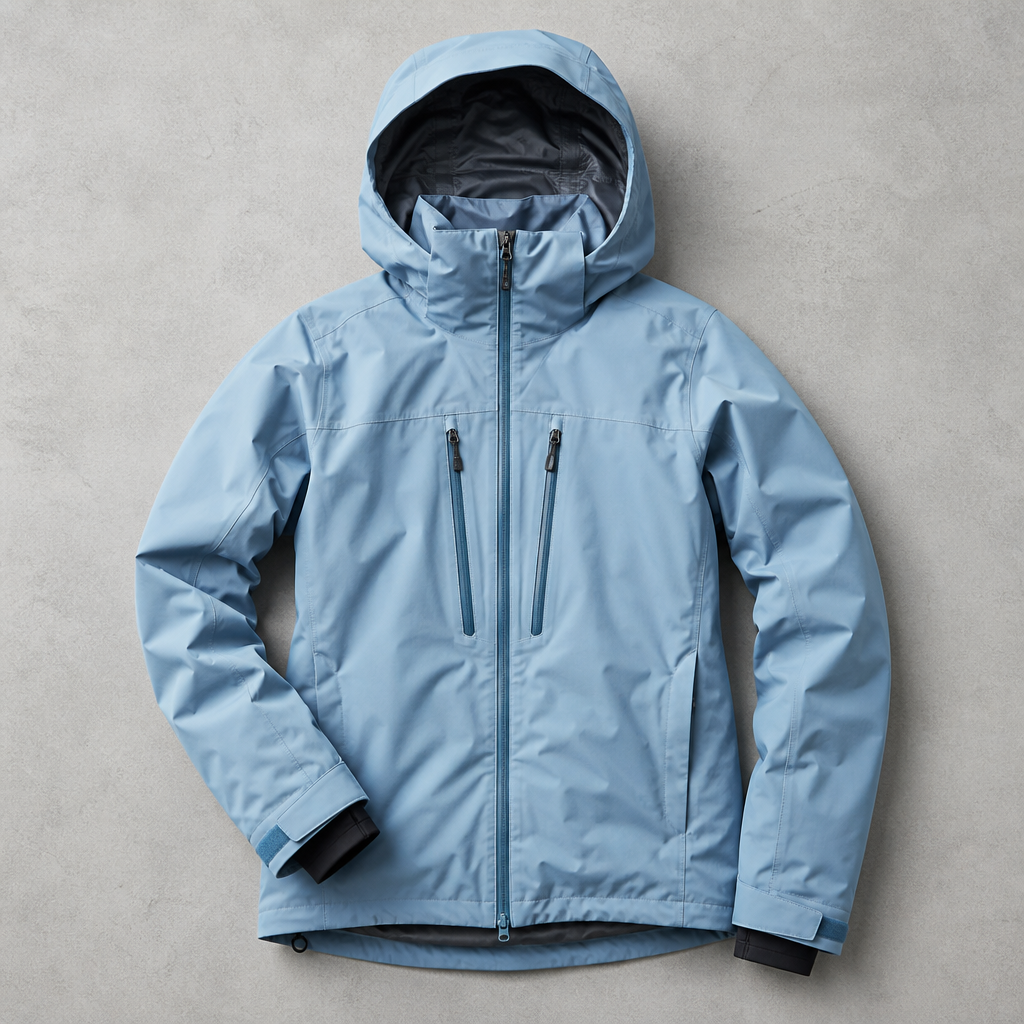
Your jacket is not the place to cut corners, and after two decades of Colorado winters I still believe that. A truly waterproof, breathable shell is the difference between a good day and a day you cut short because you’re soaked through.
- Waterproof ski jacket women
- Gore-Tex ski shell
- Insulated ski jacket breathable
- Powderproof ski parka
Do: Pull the cuffs down over your gloves so snow can’t sneak in at the wrist.
Don’t: Buy the cheaper “water-resistant” version — it will soak through on a wet snow day.
Do: Use the pit zips when you’re working hard on a climb or hike-to run.
Don’t: Rely on it alone in single-digit temps — you need real layers underneath, not just a good shell.
6. Insulated Ski Pants
Ski pants get overlooked, but a good pair with articulated knees actually moves with you instead of fighting you on every turn. I look for something that skims over my boots instead of bunching at the ankle.
Do: Wear them with suspenders or a good waistband — nothing worse than pants sagging mid-run.
Don’t: Cuff them at the bottom. Snow gets in every time.
Do: Match the color to your jacket if you want photos to look pulled together.
Don’t: Buy a skinny fit — you need room for a base layer underneath.
7. Merino Wool Ski Socks
Cold feet ruin a ski day faster than almost anything else, and I’ve tested more sock brands than I’d like to admit to say this: merino wins every time. It regulates temperature and doesn’t get that damp, clammy feeling by 2pm.
Do: Wear exactly one pair per boot — doubling up actually cuts off circulation and makes feet colder.
Don’t: Pack cotton socks as backup. They’re the fastest way to freeze your feet.
Do: Bring enough pairs to rotate and let each one fully dry overnight.
Don’t: Size up into a thicker sock thinking it’ll add warmth — it just makes your boot too tight, which makes you colder.
8. Fleece Neck Gaiter
A neck gaiter is the small thing I’d never leave home without. It pulls double duty as a mask on the coldest, windiest chairlift rides and a scarf everywhere else, and it takes up almost no room in a suitcase.
Do: Pull it up over your nose the second the wind picks up on a lift — don’t wait until your face actually hurts.
Don’t: Buy the thin, single-layer version. You want real fleece for real wind.
Do: Wear it with a beanie for the coldest days — the combination actually works.
Don’t: Let it sit loose around your neck on the lift. It needs to be snug enough to stay put.
9. Waterproof Ski Gloves
Your hands and feet are usually the first things to get cold, so I don’t skimp on gloves. A real waterproof, insulated pair with a gauntlet cuff that seals over your jacket sleeve makes an enormous difference on a powder day.
Do: Size them a little large so you can wear a thin liner glove underneath on the coldest days.
Don’t: Ever try to tough it out bare-handed, even for “just one quick run.”
Do: Dry them out completely every night — wet gloves the next morning are miserable.
Don’t: Buy the cheapest pair you find. Seams that leak are the number one glove complaint I hear.
10. Beanie Hat
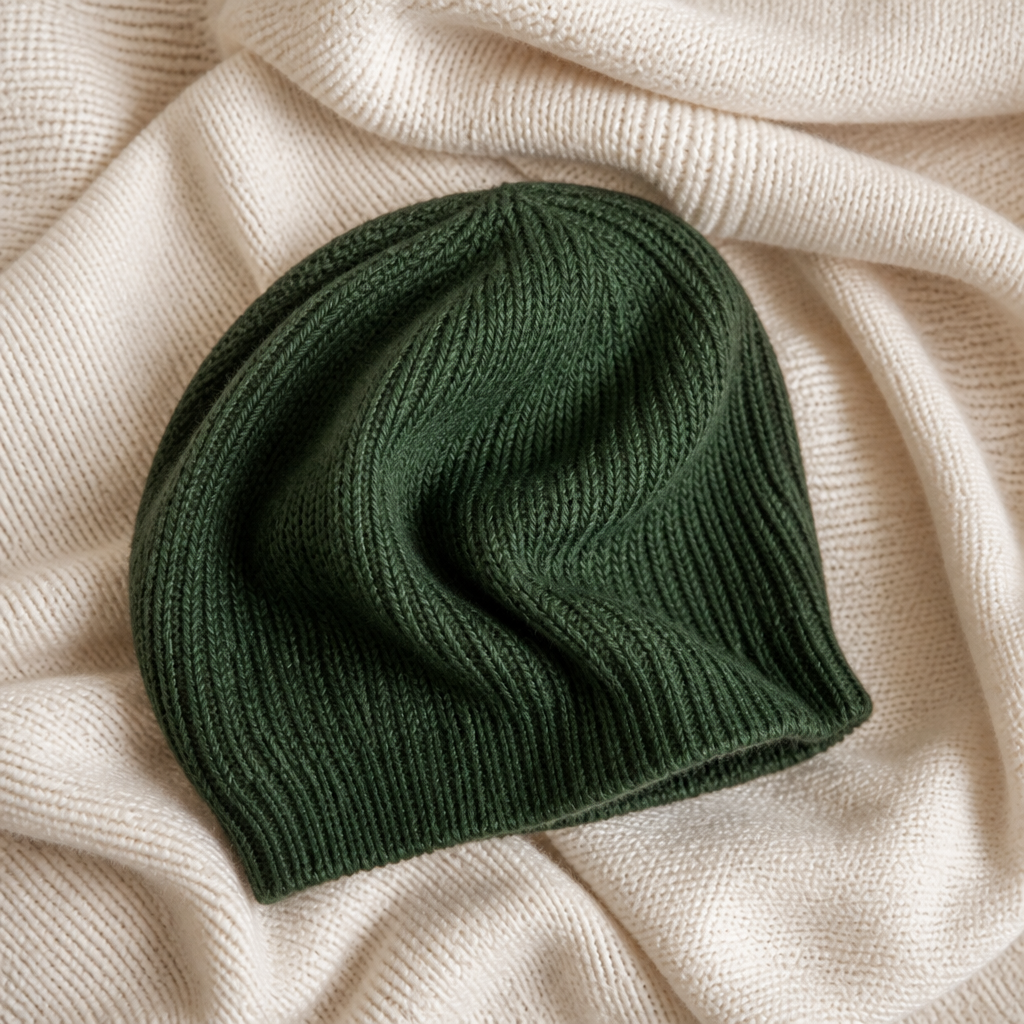
A soft merino beanie is one of those pieces that just works, trip after trip. I like a slouchy fit that covers my ears fully without fighting with a helmet if I’m wearing one for part of the day.
Do: Pick a neutral that matches whatever else you’ve packed — it shows in every photo.
Don’t: Buy a loose, open knit. It looks great and does nothing against wind.
Do: Pack a second, thinner one for warmer days.
Don’t: Reach for cotton. It gets damp from snow and stays that way.
11. Polarized Sunglasses
Good sunglasses matter more at altitude than people expect — the glare off snow at 9,000 feet is brutal. I keep a pair of polarized, oversized sunglasses in my bag for the lodge and anywhere I’m not wearing goggles.
Do: Use a strap if you’re moving around a lot — losing sunglasses on a chairlift happens more than you’d think.
Don’t: Buy non-polarized lenses. Snow glare needs real polarization, not just tint.
Do: Wipe the lenses down daily — snow spray builds up fast.
Don’t: Assume you don’t need them on a cloudy day. Snow glare doesn’t care about clouds.
12. Crossbody Bag
A slim crossbody bag is what actually gets used, trip after trip — it holds my phone, lip balm, and a glove liner without becoming one more thing I have to carry on the lift.
Do: Look for a water-resistant fabric, since it ends up sitting in snow at some point.
Don’t: Bring a big tote onto the lift — it’s awkward and it gets in the way.
Do: Keep it slim enough to wear under a jacket if you need to.
Don’t: Overpack it. A heavy bag on your hip gets old fast on a full ski day.
13. Chunky Knit Sweater
By the time we’re back at the lodge, this is the sweater I want on. An oversized chunky knit in a soft neutral works over leggings for the rest of the afternoon, and it’s the piece I get the most compliments on in photos.
- Chunky knit sweater women
- Oversized wool blend sweater
- Drop shoulder cozy knit
- Lodge sweater neutral
Do: Tuck the front in loosely for a little shape instead of wearing it totally shapeless.
Don’t: Try to wear it on the mountain — save it for après.
Do: Layer a vest over it if the lodge patio is cold.
Don’t: Buy dry-clean-only if you can help it. You want something you can actually wash after a ski trip.
14. Fleece-Lined Leggings
These are my go-to après pants. Fleece-lined leggings look like real leggings but feel like wearing a blanket, which is exactly what I want after six hours in ski boots.
- Fleece lined leggings women
- Buttery soft thermal leggings
- High waist fleece tights
- Winter lounge leggings
Do: Pair them with an oversized sweater or coat for balance.
Don’t: Buy the thin, non-lined version and expect the same warmth.
Do: Make sure the length actually works under boots.
Don’t: Buy your normal size if you’re between sizes — these tend to run small.
15. Waterproof Winter Boots
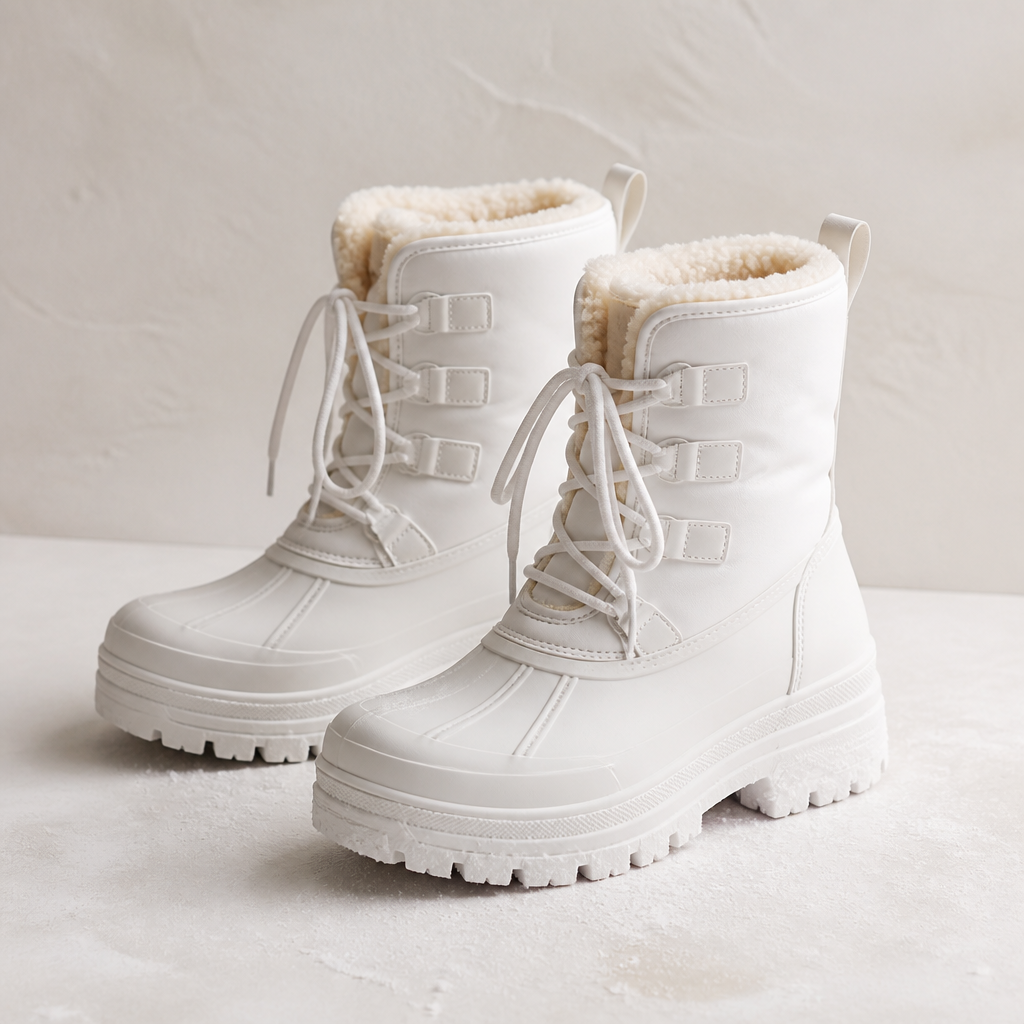
Real winter boots, not fashion boots, are what get me through slushy lodge parking lots and icy sidewalks without sliding. Shearling-lined and genuinely waterproof is non-negotiable for me at this point.
Do: Treat them with a waterproofing spray before the trip, even if they’re marketed as waterproof.
Don’t: Pack suede boots for a ski trip. Slush ruins them in one walk.
Do: Wear a thick sock with them — they run roomier than you’d think.
Don’t: Trust a heel on ice. Flat, lugged soles only.
16. Long Puffer Coat
A long puffer coat is what I throw on over jeans for anything outside — walking to dinner, standing around a fire pit, whatever the evening calls for. Knee-length means I’m actually warm, not just warm from the knees up.
Do: Belt it at the waist if you want more shape than a straight puffer silhouette.
Don’t: Let it get wet and sit in a bag — down clumps and stops insulating.
Do: Wear a mid layer under it on the coldest nights.
Don’t: Buy a short version thinking it’ll be enough — the gap at your hips lets the cold in.
17. Oversized Scarf
An oversized cashmere-blend scarf is the easiest way to look put together without any real effort, and it works over literally everything else on this list.
Do: Layer it with a beanie on the coldest days for real wind protection.
Don’t: Pack a silk scarf for a ski trip — it slips right off and does nothing for warmth.
Do: Tuck the ends into your coat so it doesn’t flap around.
Don’t: Let it drag on the ground when you’re getting in and out of the car — I’ve ruined one this way.
18. Thermal Long Sleeve Top
A soft thermal top is what I live in around the lodge — warm enough on its own, but thin enough to layer under a sweater if the evening gets colder than expected.
Do: Pair it with jeans for an easy lodge outfit that doesn’t need much thought.
Don’t: Pack it if you run warm indoors — it’s meant for lodge and evening wear, not a heated room.
Do: Push the sleeves up if you’re somewhere warm.
Don’t: Buy pure cotton. It’s fine dry, but miserable the second it gets damp.
19. Straight-Leg Jeans
One good pair of straight-leg jeans covers dinner, driving, and every non-ski hour of the trip. I look for a fleece-lined version for genuinely cold climates — it’s a small thing that makes a real difference.
Do: Cuff them slightly if you’re wearing boots underneath.
Don’t: Pack skinny jeans expecting them to feel warm — they don’t hold in heat the way a straight leg does.
Do: Stick with a dark wash — it hides everything a ski trip throws at it.
Don’t: Buy a baggy hem. It drags in slush and you’ll trip on it getting out of the car.
20. Puffer Vest Lodge
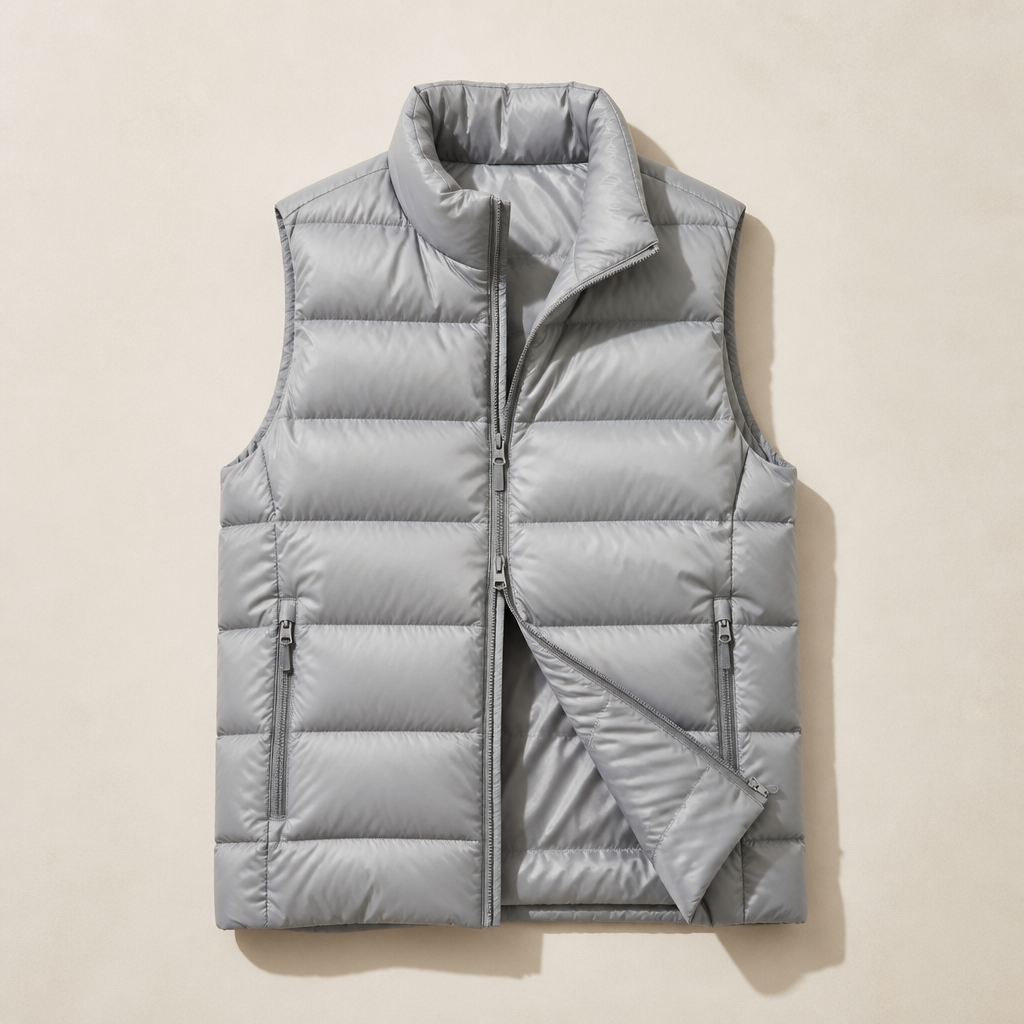
This is my lighter-weight vest — the one that goes over a thermal top for a quick trip to the lodge bar or a walk to the car, when a full coat feels like overkill.
Do: Zip it fully on a windy walk between buildings.
Don’t: Expect a heavily filled vest to pack down small — go lighter if packing space is tight.
Do: Wear it under a coat for extra warmth on the coldest nights.
Don’t: Wear it as your only layer in genuinely wet weather — it’s not built for that.
21. Sweater Dress
A sweater dress is my easiest dinner option on a ski trip — one piece, zero decision fatigue, and it still feels a little dressed up after a day in ski gear.
Do: Belt it if you want more shape than a straight knit gives you.
Don’t: Buy it too fitted if you plan on layering a coat over it.
Do: Wear opaque tights underneath — bare legs and mountain-town evenings don’t mix.
Don’t: Pack a short hem if you’re walking anywhere icy — you’ll want the coverage.
22. Fitted Turtleneck
A fitted merino turtleneck is what I reach for under a blazer or coat for dinner — it reads polished without trying too hard, and merino means it’s actually warm.
Do: Tuck it into jeans or a skirt for a cleaner line.
Don’t: Size up into something baggy — the fitted shape is the whole point.
Do: Add gold jewelry — it looks great against a simple turtleneck.
Don’t: Buy wool if you know it irritates your skin — merino is softer, but check the blend.
23. Faux Leather Leggings
Faux leather leggings are my go-to when I want dinner to feel a little more elevated than jeans without actually packing more clothes. They pair easily with the sweaters already in this list.
Do: Balance the shine with a matte sweater on top.
Don’t: Pack real leather for a cold-weather trip — it doesn’t perform the same and it’s not worth the risk.
Do: Pair them with block heel boots rather than anything delicate.
Don’t: Buy them without checking they have stretch — you’ll want to actually sit down comfortably at dinner.
24. Block Heel Boots
Block heel boots are the one heeled option I actually pack for a ski trip, because a chunky, stable heel is the difference between walking confidently on ice and not walking at all.
Do: Look for a wide toe box — your feet swell a little at altitude.
Don’t: Pack a thin heel. It will not survive a snowy parking lot.
Do: Treat the leather before the trip if they’re not already waterproof.
Don’t: Break them in for the first time on this trip — wear them at home first.
25. Wool Coat
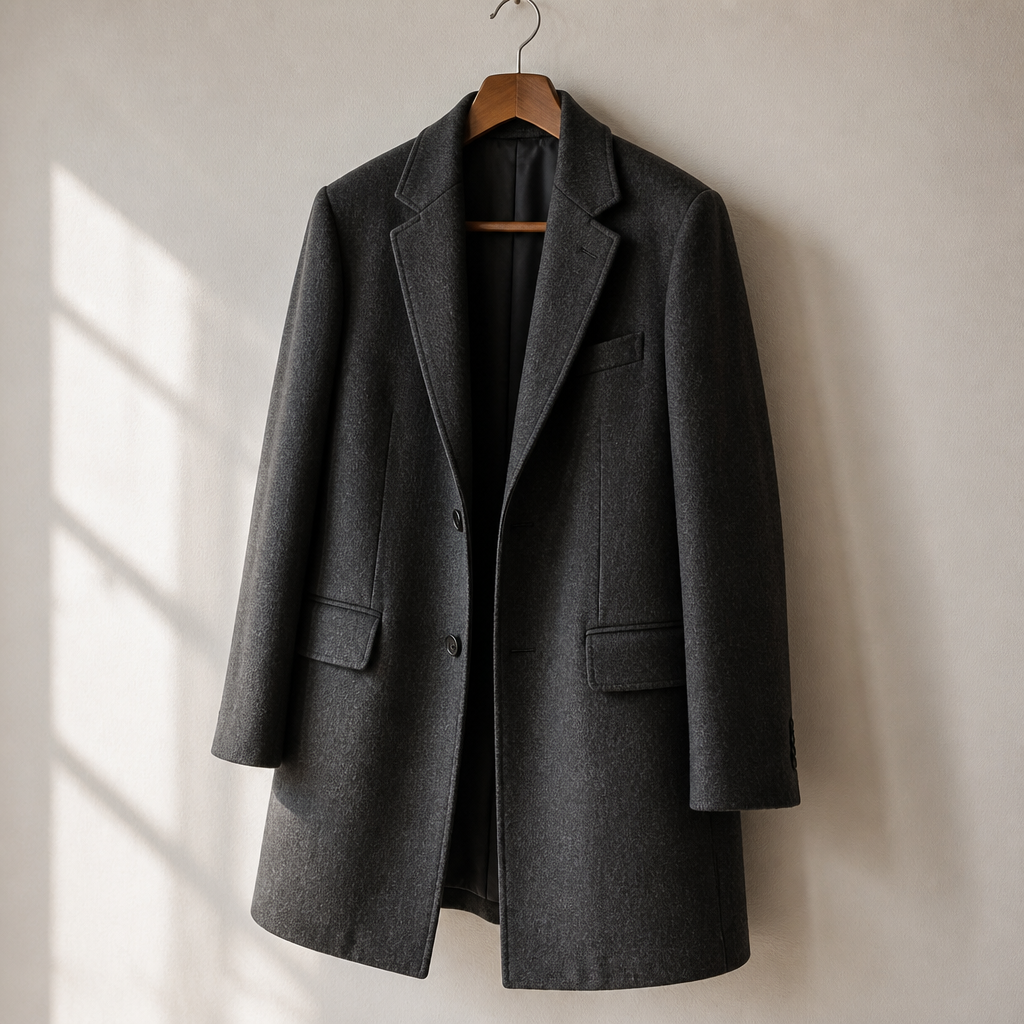
A tailored wool coat is the piece that makes dinner in a mountain town feel like an occasion instead of an afterthought. It’s the one item on this list I treat as an investment rather than a trip purchase.
Do: Have it dry cleaned after the trip if it’s been through any snow.
Don’t: Pack it folded tightly for days — it wrinkles more than you’d expect.
Do: Hang it and steam it once you arrive if it’s been in a suitcase.
Don’t: Wear it in real snowfall without a fabric protector treatment first.
26. Lounge Set
A soft lounge set is what I change into the second we’re back at the room, and it’s genuinely one of my favorite parts of a ski trip. Comfortable enough for the plane ride home, too.
Do: Pack it for the flight — it’s the most comfortable thing you’ll wear all trip.
Don’t: Buy anything too tight. The whole point is that it’s not restrictive.
Do: Look for a matching set if you want the photo-ready version.
Don’t: Bring an old, worn-out set just because it’s “just for lounging” — you’ll actually live in this.
27. Pajamas Set
Warm flannel pajamas matter more on a ski trip than almost anywhere else — hotel rooms and mountain cabins run cold at night, and I’d rather be too warm than shivering at 2am.
Do: Pack a backup pair in case one gets damp from snow boots by the door.
Don’t: Bring synthetic sleepwear if you run cold — flannel actually holds heat better.
Do: Add a pair of socks if the floors are cold.
Don’t: Pack anything too loose near a fireplace or space heater — stick with fitted sleepwear around any open flame.
28. Lip Balm SPF
My lips are always the first thing to crack at altitude, so an SPF lip balm lives in every coat pocket, every bag, and my nightstand at home too.
Do: Reapply far more often than feels necessary — altitude dries lips out fast.
Don’t: Rely on a matte lipstick as your only protection — it doesn’t hydrate.
Do: Keep one in every jacket pocket so you’re never without it.
Don’t: Forget that snow reflects UV — you can burn your lips on a cloudy day.
29. Mineral Sunscreen Face
Mineral sunscreen is non-negotiable for me at 9,000 feet — the sun is stronger up here than people expect, and I’ve learned to reapply far more than I would at sea level.
Do: Cover your neck and ears too — the classic spots everyone forgets.
Don’t: Use a spray version on a windy chairlift — most of it blows away before it lands on your skin.
Do: Reapply after you’ve been sweating under all those layers.
Don’t: Use a harsh chemical formula if your skin is sensitive to altitude and cold — mineral tends to be gentler.
30. Rich Face Moisturizer
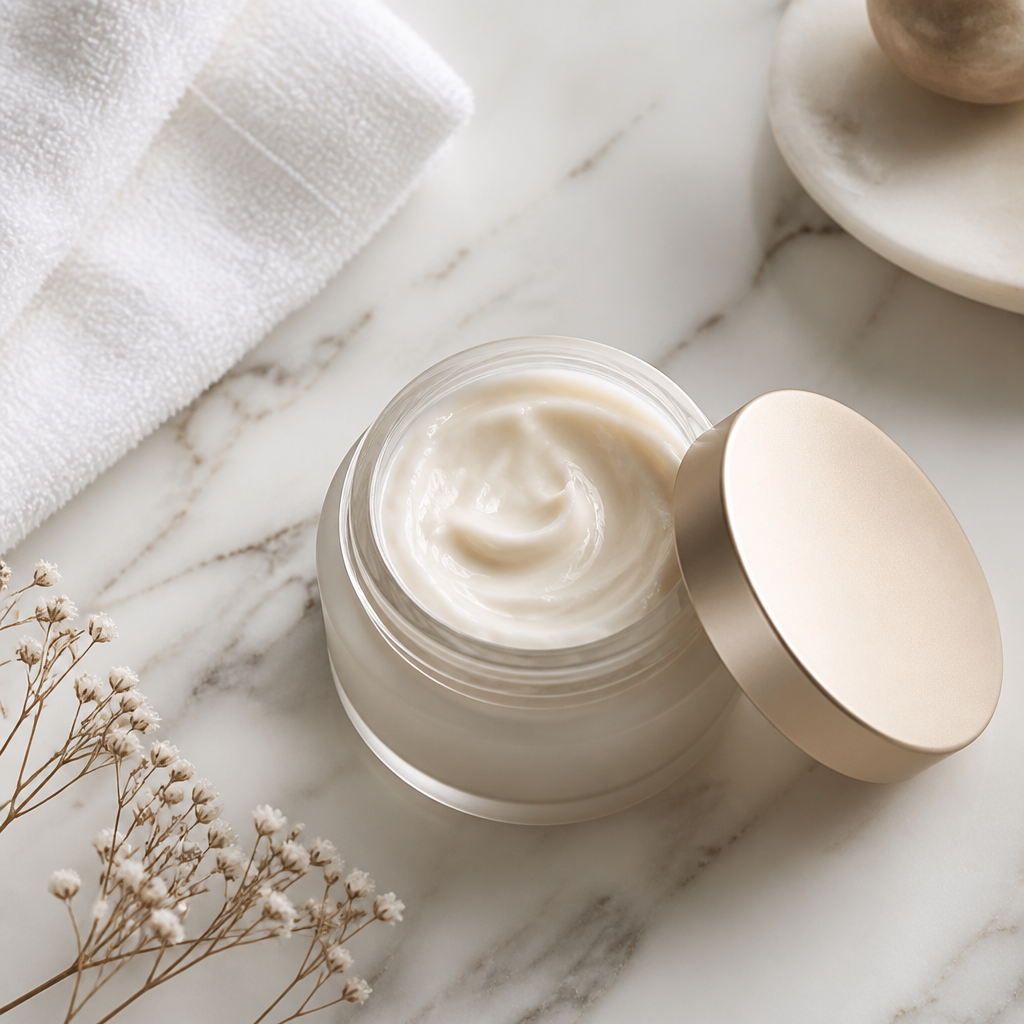
Hotel and cabin air is brutally dry, so I pack a genuinely rich moisturizer for this trip that I wouldn’t necessarily reach for at home. My skin thanks me every time.
Do: Use it morning and night — the dry air works on your skin around the clock.
Don’t: Reach for anything with alcohol in it right now — it’ll make dry skin worse.
Do: Layer a hydrating serum underneath if your skin is especially parched.
Don’t: Mix it with a heavy SPF and expect it to feel light — pick one rich product, not two.
31. Portable Humidifier
A small travel humidifier has genuinely changed how my skin feels on ski trips. Hotel rooms are so dry that I wake up parched without one running overnight.
- Portable travel humidifier
- Cool mist mini humidifier
- Hotel room humidifier small
- Quiet ski trip humidifier
Do: Run it only at night next to the bed — that’s when the dry air does the most damage.
Don’t: Fill it with tap water if you can help it — mineral buildup clogs it fast.
Do: Clean it between uses so it doesn’t grow anything unpleasant.
Don’t: Overfill it — most travel models leak if you go past the fill line.
32. Packable Tote Bag
A packable tote is the bag I never think I need until the trip is over and I’ve somehow accumulated twice as much as I packed. It folds down to nothing until then.
Do: Use it for snacks and extra layers on travel days.
Don’t: Pack anything fragile in it — it’s built for durability, not delicate items.
Do: Compress it flat when it’s empty — it takes up almost no suitcase space that way.
Don’t: Overload it on the way home. The straps aren’t built for that much weight.
33. Phone Charger Portable
Your phone is doing a lot of work on a ski trip — photos, trail maps, texting the group — so a real portable charger is worth the space it takes up in your bag.
- Portable charger ski trip
- Fast charge slim battery
- USB C power bank travel
- Cold weather battery pack
Do: Charge it fully the night before you travel, not the morning of.
Don’t: Buy the cheapest one you find — slow chargers are frustrating when you actually need power fast.
Do: Keep it in an inside pocket, since cold drains battery faster.
Don’t: Let it fully drain to zero repeatedly — it shortens the battery life over time.
34. Touchscreen Gloves Lodge
Touchscreen gloves are what save me from taking my real gloves off every time I want a photo. Small thing, huge difference if you’re posting from the mountain.
Do: Test the touchscreen sensitivity before you’re standing in the cold trying to figure it out.
Don’t: Only pack these — you still need real waterproof gloves for actual skiing.
Do: Keep them in a coat pocket for quick access.
Don’t: Expect a thin knit pair to keep your fingers warm on their own in real cold.
35. Hand Warmers Packs
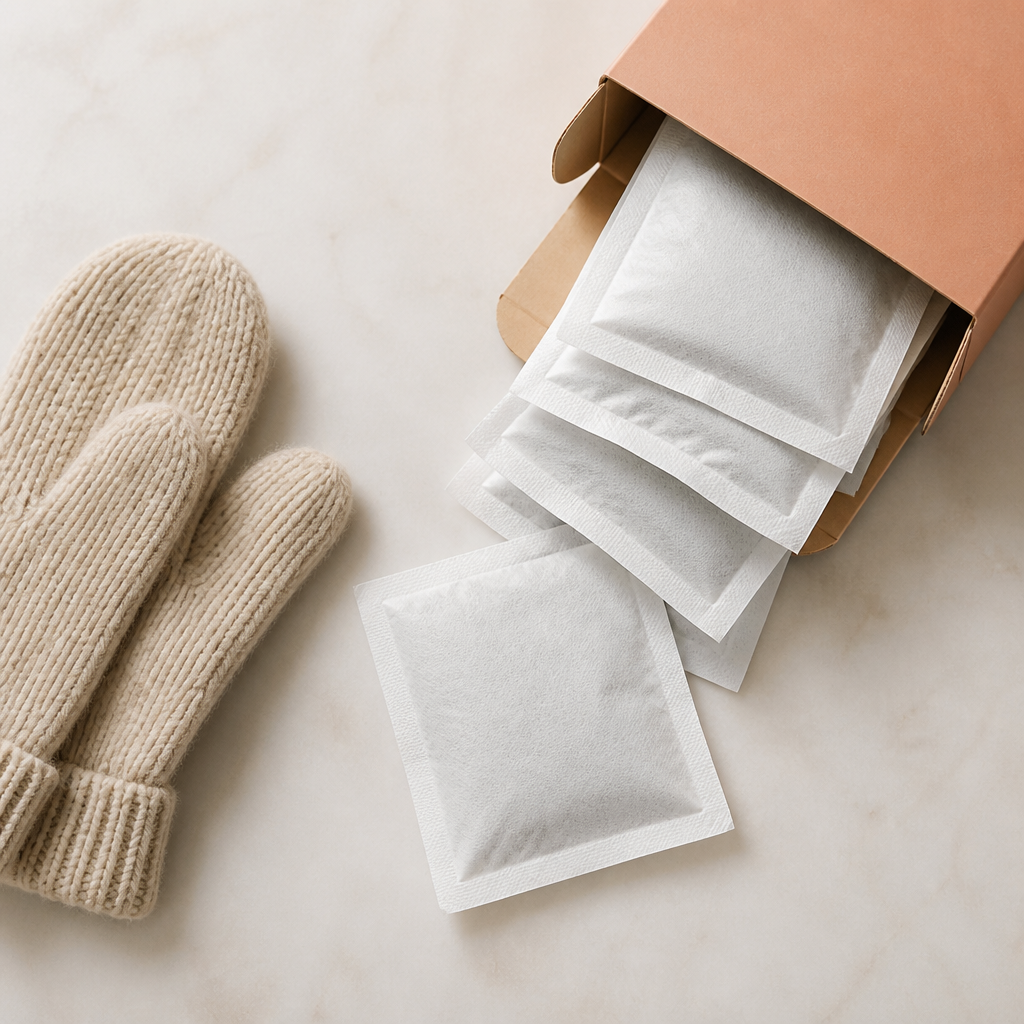
I keep hand warmers in nearly every pocket on the coldest days. They’re cheap, they work, and there’s no reason not to have a stash in your bag.
Do: Open the packet and let it get some air before tucking it into a glove — that’s what activates it.
Don’t: Put one directly against bare skin for too long — they can get hot enough to be uncomfortable.
Do: Tuck extras in your boots, not just your gloves.
Don’t: Try to reuse one after it’s cooled down and gotten damp — they’re one-time use.
36. Thermal Underwear Bra
A merino-lined sports bra is a small detail, but it matters when you’re layering up for a full day outside. Moisture-wicking and seamless means nothing to fight with under all those layers.
Do: Pick a medium-support style if you’re actually skiing in it, not just wearing it around the lodge.
Don’t: Wear an underwire — it gets uncomfortable fast under bulky layers.
Do: Look for something that dries quickly if you’re sweating under all those layers.
Don’t: Default to cotton. It holds onto sweat and gets cold against your skin.
37. Helmet Compatible Headband
A fleece headband is the fix for cold ears without the full hat-hair situation a beanie gives you under a helmet. Small, easy to pack, actually useful.
Do: Wear it under a beanie on the coldest mornings for extra coverage.
Don’t: Buy a thick one if you’re wearing it under a helmet — bulk gets uncomfortable fast.
Do: Look for a reflective option if you’ll be out walking after dark.
Don’t: Buy one that’s loose — it needs to stay put through a full run.
38. Ski Goggles
Good goggles matter more than people think, especially on a flat-light day when visibility is everything. Anti-fog and a wide field of view are the two things I won’t compromise on.
Do: Pack a spare lens for overcast days — a single tint doesn’t work in every condition.
Don’t: Wipe them with just anything — use a proper cloth or you’ll scratch the lens.
Do: Make sure the strap is actually snug before you get on the lift.
Don’t: Keep using an old pair with a yellowed lens — it genuinely affects how well you can see the snow.
39. Compression Socks Travel
Compression socks are my one non-negotiable for the flight to a ski trip. Long travel days plus altitude changes are rough on your legs, and this is the easiest fix.
- Compression socks travel women
- Calf compression ski socks
- Flight recovery socks
- Anti fatigue travel socks
Do: Put them on before you get to the airport, not after you’re already seated.
Don’t: Size down thinking tighter is better — too tight is genuinely uncomfortable and can restrict circulation too much.
Do: Stick with knee-high rather than anything higher.
Don’t: Wear them all day if you’re not actually traveling — they’re built for the flight, not everyday wear.
40. Reusable Water Bottle Insulated
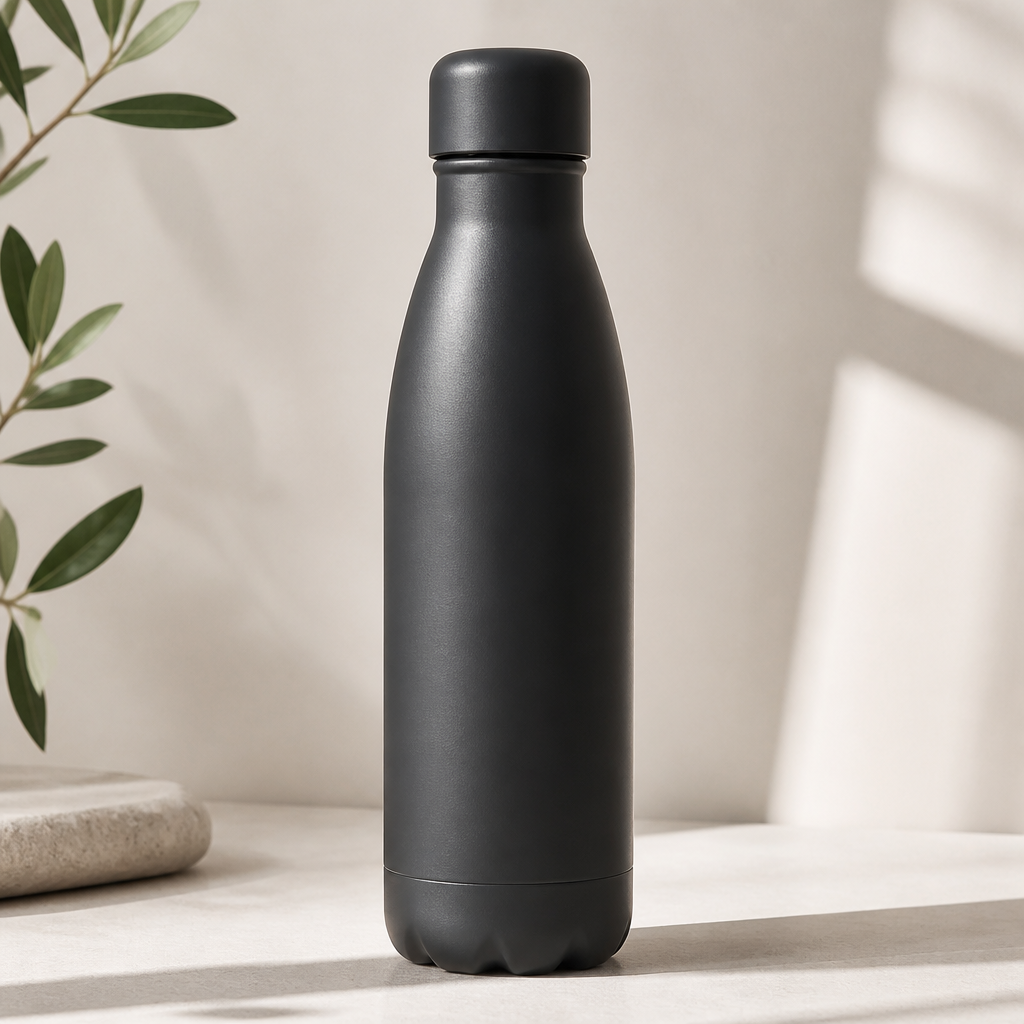
A good insulated water bottle earns its space in my bag every single trip. Altitude dehydrates you faster than you’d expect, and this keeps me drinking water instead of forgetting to.
- Insulated water bottle ski
- Leakproof stainless tumbler
- Hot cold travel bottle
- Powder coat reusable bottle
Do: Get a wide-mouth version if you want to add ice easily.
Don’t: Pack a plain plastic bottle — it cracks in freezing temps.
Do: Clip it to your bag so it’s not one more thing to hold.
Don’t: Fill it completely full overnight in freezing temps — leave a little room so it doesn’t leak if anything expands.
41. Quick Dry Towel Packable
A quick-dry towel takes up almost no space and solves the problem of a shared bathroom or a locker room shower on a travel day.
Do: Hang it up right after use so it actually dries fast.
Don’t: Pack a regular cotton towel instead — it stays damp and takes up way more suitcase space.
Do: Bring more than one size if you’re sharing a room with the whole family.
Don’t: Share one towel between everyone — pack enough that nobody’s using someone else’s.
42. Neck Pillow Inflatable
A good travel neck pillow is what makes the flight home actually bearable after a week of early lift lines and long ski days. I deflate mine flat and it barely takes up any suitcase space.
- Inflatable neck pillow travel
- Deflatable plane pillow
- Memory foam travel neck
- Ski trip flight pillow
Do: Clip it to your backpack on travel days so it’s not taking up hand space.
Don’t: Pack a bulky foam U-shape pillow — it’s dead weight the rest of the trip.
Do: Pair it with an eye mask for an actual nap on the flight.
Don’t: Overinflate it — it gets uncomfortably stiff instead of supportive.
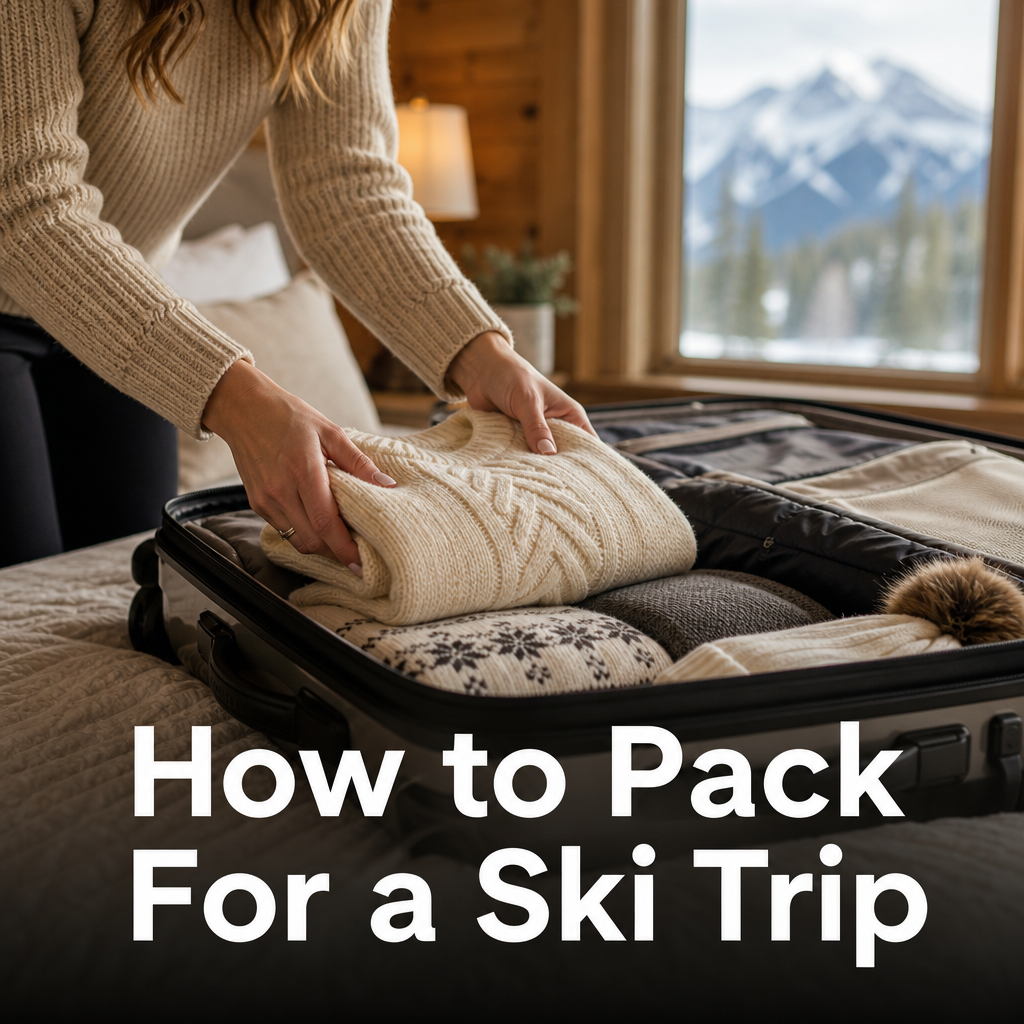
That’s the full 42 — everything that’s actually earned a permanent spot in my ski bag after two decades of getting this wrong and then slowly getting it right. You won’t need all of it for every trip, but this is the list I pull from every single time, whether we’re headed up the pass for a day or packing for a full week. Start with the base layers and the jacket, then build out from there based on how long you’re staying and how many dinners you’ve got on the calendar.
If you want the outfit side of this worked out too, my Ski Trip Capsule Wardrobe pairs directly with this packing list, and my Essential Winter Packing List is a good next stop if you’re packing for more than just the slopes. Save this one before your next trip — you’ll want it when you’re staring at an open suitcase the night before you leave.
Pin This for Later